
Ethical. Expert. Experienced.
Wikipedia, done right.
We guide companies, people, and institutions who want to contribute to Wikipedia in a way that will endure and be respected, inside the rules and with the community on your side.
Advancing open knowledge
Companies and people
Maybe you need a first article for a company that has grown into serious press coverage, or a rewrite of one that has gone stale or carries a warning banner. Maybe an article has been nominated for deletion, or a subject draws steady attention and needs someone watching it. Whatever brought you here, it begins the same way: with a written assessment of where you stand and a plan you can act on.
For companies and peopleInstitutions and mission-driven organizations
We recruit, onboard, and coach Wikipedians in Residence to measurable results, turn curious staff into confident editors, and build the tools that repair citations and flag unreliable sources across millions of articles. Our clients have included Harvard, the Smithsonian, Annual Reviews, the Internet Archive, and the Linux Foundation.
For institutions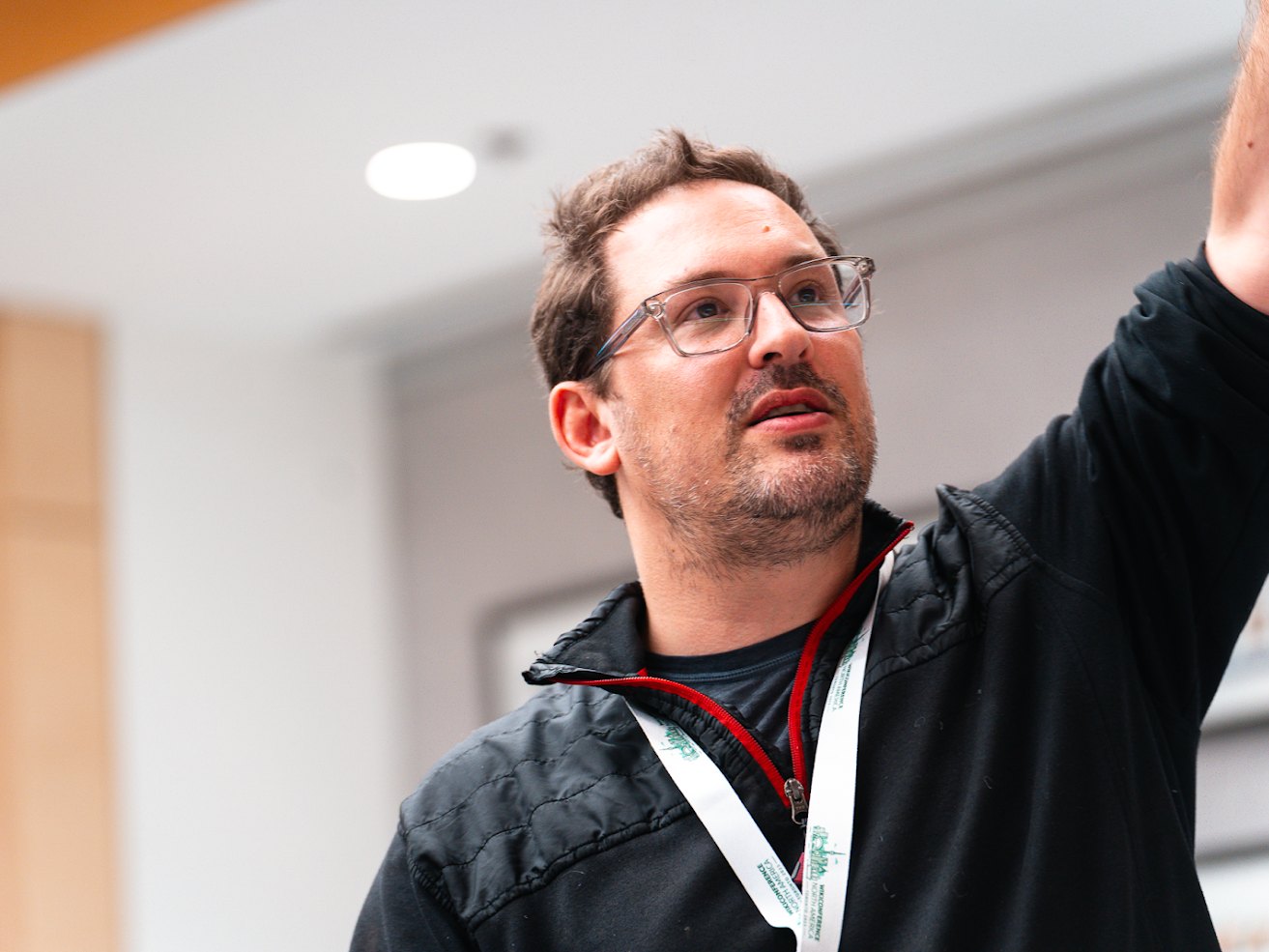
Led by the founder of The Wikipedia Library
Jake Orlowitz has edited Wikipedia for nineteen years, serves as an English Wikipedia administrator, and built The Wikipedia Library, the program that gives editors free access to 100,000 journals. He has placed Wikipedians in Residence at the Smithsonian and Annual Reviews, advised Harvard, started the Internet Archive's dead-link partnership, and been featured with Jimmy Wales on NPR. His editing record is public: you can check who is guiding you.
Most people who write to me are a little unsure whether they should be asking at all. They have read that Wikipedia frowns on companies and public figures, and they are half expecting to be scolded. Nobody gets scolded here. You will get a straight answer about where you stand, in plain language, and if the answer is not yet, you will leave knowing what would change it. I have spent nineteen years inside this community, and the thing I like most about the work is watching someone stop dreading Wikipedia and start understanding it.
Jake Orlowitz, founder
We care about ethics. We get results.
Where you stand comes first
Before anything else, we read what has been written about you and tell you, in writing and at no charge, where you stand. That comes before any fee is discussed. When the honest answer is not yet, we say so, along with what would need to change.
Named, verifiable expertise
Our founder's identity, editing history, and standing in the Wikipedia community are public and checkable, and that is how it should be. You disclose your own affiliation on Wikipedia, in your own name, and the guidance behind every step comes from a two-decade record you can verify.
Drafted with you, posted by you
We do the research, the strategy, the analysis, and the drafting with you, revising until you are comfortable with every line. Then you submit the draft, or post the suggested change on the article's Talk page, under your own openly disclosed account, and volunteer editors decide what goes into the article. Neither of us edits it directly, ever, and nothing goes up that you have not read and approved.
We stay through the first year
Community review runs on Wikipedia's own clock, and the work is not finished when something is submitted. We stay, with guidance on every reviewer question, replies to challenges worked out with you and grounded in policy, and twelve months of monitoring after publication for reverts, warning tags, and deletion nominations.
Bright lines
- We do not edit Wikipedia on a client's behalf.
- We do not write promotional copy.
- We do not remove properly sourced criticism.
- We do not promise outcomes the community does not control.
- We do not use AI to write Wikipedia content.
- We do not take on work the sources cannot support.
By the numbers
Since you opened this page, volunteers have made 0 edits to English Wikipedia.
Institutions WikiBlueprint has worked with
- HarvardResearch institute article rewrite
- SmithsonianWikipedian in Residence, biodiversity
- Internet ArchiveRepair of millions of dead citation links
- Annual ReviewsTwo Wikipedians in Residence
- Linux FoundationGroup rewrite of a key computing article
- MITWikipedia engagement
- CochraneWikipedian in Residence, medicine
- Pérez Art Museum MiamiWikipedian in Residence, contemporary art
- Hacks/HackersReliable-source monitoring system
- Anti-Defamation LeagueEditor training to counter extremism
- Wiki Project Med FoundationFundraising strategy
- Whose Knowledge?Podcast series for marginalized voices
- OA.WorksRebrand, redesign, and product strategy
- Equis ResearchWikipedian in Residence, U.S. politics
- Milton Public LibraryTraining a new Wikipedian in Residence
- West Virginia University LibraryWikipedian in Residence
- Marilyn Brachman Hoffman FoundationWikipedian in Residence, molecular science
- Bakehouse Art ComplexTraining series and article development
- Quill.orgWikipedia engagement
- MBZUAIArticle research and development
- American University of Iraq, BaghdadArticle research and development
- Sharjah Archaeology AuthorityWikipedian in Residence, archaeology
- IIIF ConsortiumLandscape paper on IIIF and Wikimedia
And on the commercial side
Most of our work is for companies and people, who are named only with permission. Recent engagements have covered software, financial services, architecture and design, consumer health, pharmaceutical testing, eyewear, fitness, apparel, translation services, and municipal government, with public figures in law, academia, music, art, and photography.
The Guide to Successful Wikipedia Engagement
A handbook for corporate professionals. Seventy-five pages on how companies work with the volunteer editing community: which requests pass and which fail, how to handle criticism and sensitive topics, and what to do when an article is challenged.
The Successful Wikipedian in Residence
Selection, execution, mentorship, and impact. The playbook we use with our own institutional clients, from the first internal conversation to year two and beyond.
From the blog

When to Hire a Wikipedia Consultant (and When to Save Your Money)
Wikipedia is often the first result when someone searches your name or your company, both on Google and in AI. It is also one of the few major platforms you cannot buy, control, or edit at…

You Need a Wikipedia Consultant, Not a Wikipedia Page Creator
You have probably seen the pitch. An agency, a freelancer, a paid search result, a stranger in your inbox offering to “create your Wikipedia page” for a flat fee. Fast turnaround.…
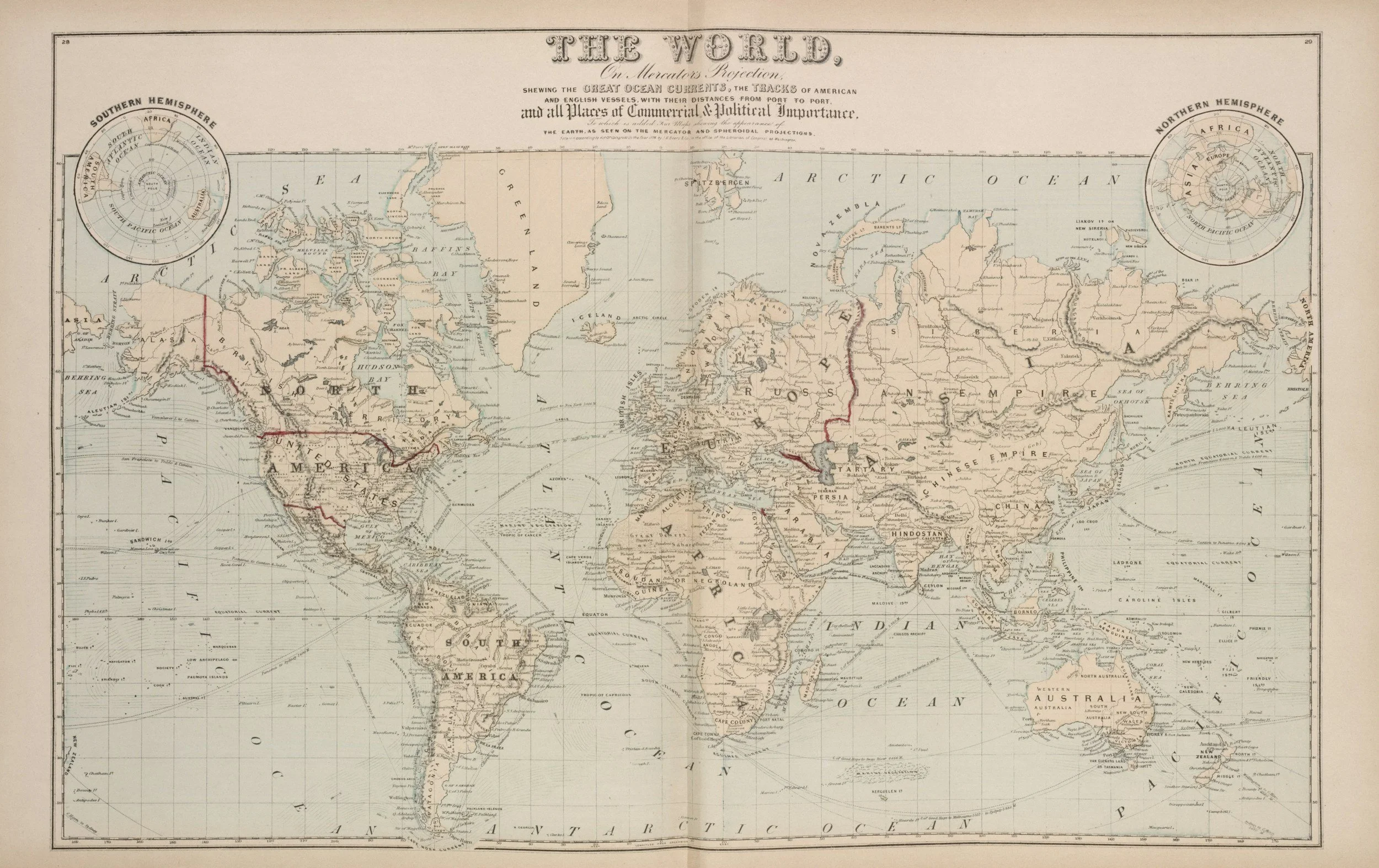
Zooming Out: A Landscape Paper on IIIF and Wikimedia
This week, IIIF released Zooming Out: Can We Integrate IIIF and Wikimedia?, a landscape paper commissioned by the International Image Interoperability Framework Consortium and written by…
Tell us the name. We will tell you where things stand, kindly and clearly.
Send the name of the company, person, or institution and we reply with a short set of questions. Nothing needs preparing on your side, and you will know what Wikipedia's rules support before you commit to anything.